Neasden rubbish removal real cost guide for tenants
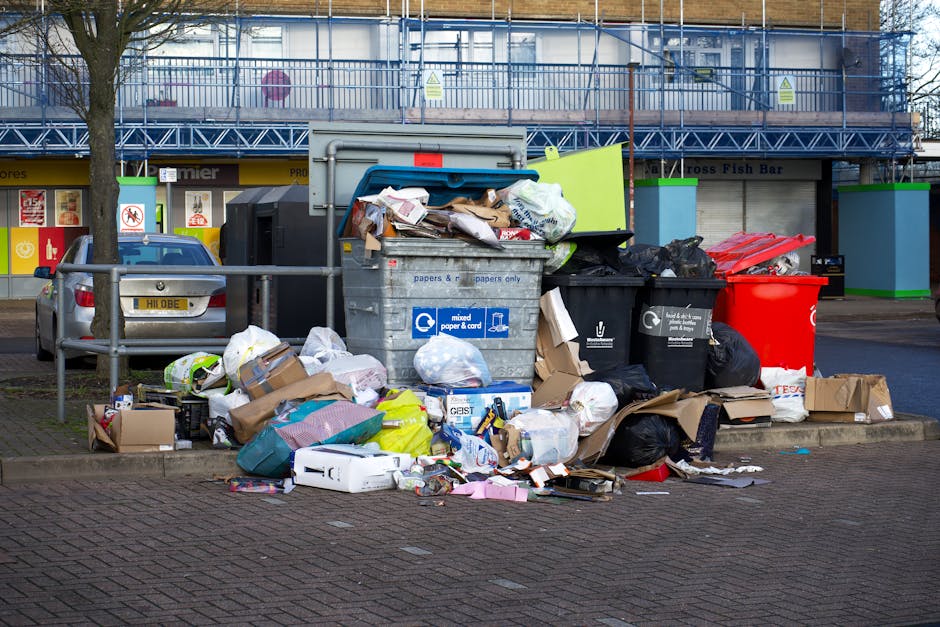
If you are renting in Neasden, rubbish removal can feel simple until the bill lands. One bulky sofa, a few black bags, maybe a mattress that has been sitting in the hallway for too long - and suddenly you are trying to work out what is fair, what is extra, and what you can avoid paying at all. This Neasden rubbish removal real cost guide for tenants breaks the process down in plain English so you can make a sensible decision without getting caught out.
In practice, the real cost is not just the collection fee. It can include access issues, the amount of waste, whether anything needs lifting from an upper floor, and how quickly you need it gone. Let's face it, tenants usually want two things: a clean flat and no awkward surprises. This guide focuses on both.
Why Neasden rubbish removal real cost guide for tenants Matters
Tenants often have less flexibility than homeowners. You may be working around a checkout date, a landlord inspection, neighbours who are not thrilled by noise in the stairwell, and a very real deadline. That is why understanding the real cost matters. The cheapest quote on paper is not always the cheapest outcome once labour, access, and disposal details are added in.
In Neasden, as in much of London, flats can be tight on space. Parking can be awkward. Stairwells are narrow. Lifts can be small or out of service. All of that affects the price, because removal teams have to spend more time and effort moving items safely. A small load that is easy to reach can be straightforward; a similar load from a third-floor flat with no lift is another story.
The other reason this guide matters is peace of mind. When you understand the pricing logic, you can compare quotes properly, spot vague estimates, and ask better questions. That alone can save you money. And a headache or two.
For tenants who need a broader clearance service rather than just a single item removal, it can also help to look at flat clearance options, or if you are dealing with mixed household items, the wider waste removal service may be the more practical route.
How Neasden rubbish removal real cost guide for tenants Works
Most rubbish removal jobs are priced by a combination of volume, item type, labour, and access. Some companies price by load size, others by the time required, and many use a mix of both. What matters for you is how those parts add up.
Here is the basic flow:
- You list what needs to go. Be specific. A "few bits" can mean very different things depending on who is asking.
- The remover assesses the job. This may be by photos, a call, or an on-site look if the job is larger.
- A quote is given. Good quotes should explain what is included and what could change the price.
- Collection happens. The team removes the waste, loads it safely, and disposes of it appropriately.
- Any extras are confirmed. For example, if there was more waste than expected, the team should explain the difference clearly.
For tenants, the biggest cost surprises usually come from access. A sofa that looks simple in the living room may require awkward turns, extra carrying, or even partial dismantling. That is why it helps to send good photos and be honest about stairs, parking, and whether items are stacked behind others.
If your waste is mainly furniture, you may find the dedicated furniture clearance and furniture disposal pages useful, especially when you are weighing up what should be taken away and what could be sold or donated instead. Truth be told, that decision often changes the bill more than people expect.
Key Benefits and Practical Advantages
The main benefit is obvious: the rubbish goes, and your flat feels normal again. But the real value goes beyond that. Good rubbish removal saves time, protects your deposit situation, and reduces stress in the last busy stretch before moving out.
- Clear pricing: You can compare options more confidently when you understand the cost drivers.
- Time saved: No weekend spent hiring a car, finding parking, or doing five awkward trips up and down the stairs.
- Less physical strain: Heavy items are handled safely by people used to doing the lifting.
- Better end-of-tenancy readiness: Clean rooms photograph better and are easier to hand back.
- Reduced hassle: Especially helpful if you are juggling work, packing, and checkout dates at once.
One practical advantage that often gets missed is consistency. A professional service can remove a mixed load in one visit, which is handy if your waste includes broken furniture, bagged rubbish, and a couple of unwanted household bits. That kind of mixed job can become messy quickly if you try to do it piecemeal.
Practical summary: the real cost for tenants is usually shaped less by the rubbish itself and more by time, access, and how clearly the job is described at the start.
Who This Is For and When It Makes Sense
This guide is for tenants who need to clear rubbish in a realistic, budget-aware way. It is especially useful if you are:
- moving out of a rented flat or house in Neasden
- dealing with bulky items that will not fit in a normal bin collection
- trying to avoid deposit deductions caused by leftover waste
- sharing a property and splitting the cost with flatmates
- managing an urgent clearance before inspection or checkout
- clearing a loft, garage, or storage space in a rented property
It also makes sense if you need a more complete clear-out. For example, a tenant leaving a family property may need help with a larger set of items, and a home clearance or house clearance can be more efficient than booking lots of separate collections.
Sometimes the job is smaller but still awkward. A single wardrobe in a small second-floor flat can take more effort than a bagged load from a ground-floor property. So, yes, it really depends. That is the annoying bit, but it is also what makes getting the quote right so important.
Step-by-Step Guidance
If you want the most accurate cost and the least stress, follow this process.
- Make a full list. Walk through the property and write down every item you want removed. Include awkward extras like broken chairs, shelving, or old appliances.
- Group waste by type. Separate furniture, general rubbish, garden waste, and building debris if relevant. Mixed loads can still be handled, but clarity helps with pricing.
- Take clear photos. Show the items, the room, the stairs, the exit route, and anything that might slow the job down.
- Check access details. Parking, lift access, narrow hallways, controlled entry, and time restrictions all matter.
- Ask what the quote includes. Labour, loading, disposal, VAT if applicable, and any potential extras should all be clear.
- Compare like for like. The lowest number is not the best quote if it excludes half the job. It happens more than people think.
- Book at the right time. If your move-out date is fixed, do not leave booking until the last minute. Rush jobs can cost more.
- Confirm the final scope before collection. A quick message the day before can prevent misunderstandings.
Here is a small but useful habit: keep one corner of the flat as a staging area. Put everything you want removed there. It makes the job faster on the day, and faster usually means cheaper. Simple, but effective.
Expert Tips for Better Results
In our experience, the best savings come from preparation rather than haggling. A few careful choices can trim the cost without making the process difficult.
- Bundle items logically. One well-organised pickup is usually better than three small, rushed ones.
- Be honest about access. If there are three flights of stairs, say so. Surprises at the door are never fun for anyone.
- Ask about dismantling. Some bulky items are cheaper once broken down, but only if that is safe and suitable.
- Separate anything reusable. If you can sell, donate, or keep an item, remove it from the job list before you request a quote.
- Choose the right service type. A small job does not need a large clearance, and a large job should not be squeezed into a tiny collection.
Another practical point: if your waste is mainly old furniture, compare collection against full removal of the property contents. For a tenant clearing out after a long stay, a service like flat clearance may cost less per item than booking each piece separately. It is not always the answer, but it is often worth checking.
And if you want a better sense of how a provider works, their about us page can help you understand the business side before you hand over the keys. Not glamorous, but useful.
Common Mistakes to Avoid
A lot of tenant rubbish-removal problems come from rushing. Not from bad luck. Rushing.
- Getting a quote from a vague description: "A few bags" is too open-ended.
- Forgetting about bulky extras: Mattresses, wardrobes, and broken drawers add up quickly.
- Ignoring access costs: Stairs, parking, and waiting time can change the price.
- Assuming everything is allowed: Some waste types need special handling.
- Leaving the booking too late: Last-minute collections are possible, but they are not always the cheapest.
- Not checking the terms: A quote is only useful if you understand what happens when the job changes.
One especially common issue is mixing rubbish with items you still want to keep. It sounds obvious, but in a half-packed room at 8.30 on a wet Tuesday morning, obvious things get overlooked. Label what stays. Label what goes. Future-you will be grateful.
If you are clearing a storage area or extra rooms as well, a loft clearance or garage clearance may be more suitable than a basic rubbish pickup. That can be especially helpful in rented homes where accumulated items have built up over time.
Tools, Resources and Recommendations
You do not need fancy tools, but a few simple ones make the process easier and improve quote accuracy.
- Phone camera: Take wide shots and close-ups of bulky items.
- Notes app or checklist: Keep a running list of items and questions.
- Tape measure: Useful if you are unsure whether furniture needs dismantling.
- Bin bags or boxes: Keep small waste grouped neatly.
- Entry and parking notes: Time windows, buzzer details, and gate codes save a lot of back-and-forth.
For recommendations, the most practical one is simple: ask for a written quote that explains the scope. A trustworthy provider will usually be happy to explain how the price is built. If you want to explore pricing structure in more detail, the pricing and quotes page is a useful place to start.
If you care about where the waste goes - and you should - the recycling and sustainability page is worth reading. Responsible disposal is part of the real cost too, even if it is not the bit people think about first.
Law, Compliance, Standards, or Best Practice
Tenant rubbish removal is not just about convenience. There is a compliance side as well. In the UK, waste should be handled by responsible carriers, and waste must be taken to appropriate facilities rather than dumped illegally. You do not need to become an expert in waste law, thankfully, but you should still choose a provider that operates properly.
Best practice for tenants is straightforward:
- use a provider that can explain where waste is taken
- keep a record of what was removed if you are near checkout
- make sure any shared property rules or landlord instructions are followed
- avoid leaving waste in communal areas, where it can create complaints or charges
It is also sensible to think about safety. Heavy lifting, sharp edges, dust, and broken glass can all be involved in rubbish removal. A company's health and safety policy and insurance and safety information can tell you a lot about how carefully they work.
And because people sometimes overlook it: if you are booking online or paying a deposit, it is worth understanding the provider's payment and security approach. No drama needed, just sensible checking.
Options, Methods, or Comparison Table
Tenants usually have four realistic options. Each one has a different cost profile, and the right choice depends on time, volume, and how much effort you want to spend yourself.
| Option | Best for | Typical pros | Typical drawbacks |
|---|---|---|---|
| Do it yourself | Very small loads and plenty of time | Can be cheap if you already have transport | Time-consuming, tiring, parking and disposal hassle |
| Shared flatmate clear-out | Rented flats with mixed personal items | Cost can be split, straightforward for small jobs | Needs coordination, items can be left behind by mistake |
| Item-by-item collection | One or two bulky pieces | Good for targeted removals | May become expensive if the load grows |
| Professional rubbish removal | Mixed loads, urgent moves, awkward access | Fast, convenient, less physical effort | Higher upfront cost than DIY |
For most tenants, professional collection wins on convenience and certainty. DIY can look cheaper until you count fuel, parking, vehicle hire, lifting time, and the emotional cost of spending your Saturday shuttling stuff across town. Not exactly a glamorous plan.
If your load is specifically furniture-heavy, you may want to compare a general collection with a dedicated furniture clearance service, since the right method depends on the pieces involved. A single route is not always the smartest route.
Case Study or Real-World Example
Imagine a tenant in a Neasden two-bedroom flat preparing to move out. They have an old wardrobe, a broken desk, a mattress, four bin bags of mixed clutter, and some small items left in the cupboard under the sink. Nothing extreme. Just the usual end-of-tenancy build-up that somehow appears from nowhere.
At first, they ask for a quote based only on the mattress and wardrobe. The removal company gives a small estimate. Then, after a proper photo review, the extra bags and awkward stair access are added into the picture. The price changes, but in a fair and transparent way. The tenant then decides to combine everything into one visit rather than booking separate collections later. That saves time and avoids a second call-out.
What made the biggest difference? A clear inventory, photos of the staircase, and knowing exactly what was being removed. The job became easier on the day, and the final bill matched the actual work. No confusion, no last-minute stress, and no van parked half on the kerb while someone runs back upstairs for "just one more thing".
That is the kind of outcome this guide is aiming for: not magical savings, just a cleaner, calmer process.
Practical Checklist
Use this checklist before you book anything.
- List every item that needs removing
- Separate rubbish, furniture, and any special waste
- Take clear photos of the load and access route
- Check whether there are stairs, lifts, parking issues, or time restrictions
- Ask what the quote includes and what could change it
- Confirm whether VAT or other charges are included
- Compare the full service, not just the headline number
- Keep a copy of the booking details
- Make sure important personal items are removed first
- Arrange the collection before checkout day if possible
It sounds basic, but these small checks are often what separate a smooth move from a slightly chaotic one. And, to be fair, moving is chaotic enough already.
Conclusion
The real cost of rubbish removal for tenants in Neasden depends on more than the amount of waste. Access, item type, urgency, and the quality of the information you provide all shape the final figure. If you understand those pieces early, you can compare quotes properly, avoid hidden extras, and choose the service that actually fits your move.
The best approach is usually simple: be clear, be organised, and ask the obvious questions before booking. That is where the savings live. Not in guesswork, and definitely not in hoping the problem sorts itself out by Friday afternoon.
If you are planning a move, clearing a flat, or just trying to get your rented place back to a decent standard, use this guide as your starting point and take your time with the quote stage. A little care now can make the whole job feel much lighter later.
Get a free quote today and see how much you can save.
Frequently Asked Questions
How much does rubbish removal usually cost for tenants in Neasden?
It depends on the size of the load, the type of items, access, and how urgent the job is. A small, easy collection will usually cost less than a mixed load from an upper-floor flat with awkward access. The fairest way to judge the price is to compare full quotes, not just headline numbers.
Is it cheaper to book a full flat clearance or a few separate collections?
Often, a single well-planned clearance is better value than several separate collections, especially if you have furniture, bags, and leftover bits mixed together. If the property is nearly empty, a simpler rubbish removal job may be enough. It really comes down to volume and timing.
What details should I send for the most accurate quote?
Send a list of items, clear photos, and details about stairs, lifts, parking, and building access. If anything is bulky or heavy, say so. A few extra minutes of honesty here can save a lot of back-and-forth later.
Will I pay more if I live in a flat without a lift?
Possibly, yes. Extra carrying can affect the cost because it takes more time and labour. The size of the increase depends on the job, but access is one of the most common price factors for tenants.
Can rubbish removal help me avoid deposit deductions?
It can, if the issue is leftover waste or items that should have been removed before checkout. You still need to follow your tenancy agreement, but clearing rubbish properly makes the handover much smoother.
What should I do with furniture I do not want anymore?
If it is still usable, consider whether it can be sold, passed on, or reused. If not, a furniture-specific service may be the neatest solution. For awkward or bulky items, a dedicated collection is usually easier than trying to deal with it yourself.
Are there any items that need special handling?
Yes. Some waste types may need extra care or separate handling, especially if they are hazardous, sharp, or difficult to move safely. If you are unsure, describe the items clearly when asking for a quote.
How can I keep the cost down?
Be organised, group items together, and remove anything you want to keep before the team arrives. Clear access, clear photos, and a full list of waste are the simplest ways to reduce avoidable extras. Small effort, decent payoff.
Is same-day rubbish removal worth it for tenants?
It can be worth it if you are facing a checkout deadline or an urgent move. Just keep in mind that speed may affect price, so only choose it if the timing really matters.
Do I need to be at the property during collection?
Usually, it is better if someone can confirm what is being removed and answer access questions. That said, arrangements vary. If you cannot be there, make sure the job details are agreed in advance and access is sorted carefully.
How do I know if a quote is fair?
A fair quote should explain what is included, what could change the price, and how the waste will be handled. If a quote is unusually vague, ask for more detail. Clarity is a good sign; confusion usually is not.
What if I have garden or garage waste as well?
That can often be handled in one visit if the provider accepts mixed waste. For outdoor clutter, a garden clearance or garage clearance may be a better fit, depending on what you are clearing. The right service depends on the mix, not just the location.
Where can I check the provider's terms before booking?
It is sensible to review the terms and conditions before you confirm anything. That helps you understand the booking process, payment expectations, and what happens if the job changes on the day.