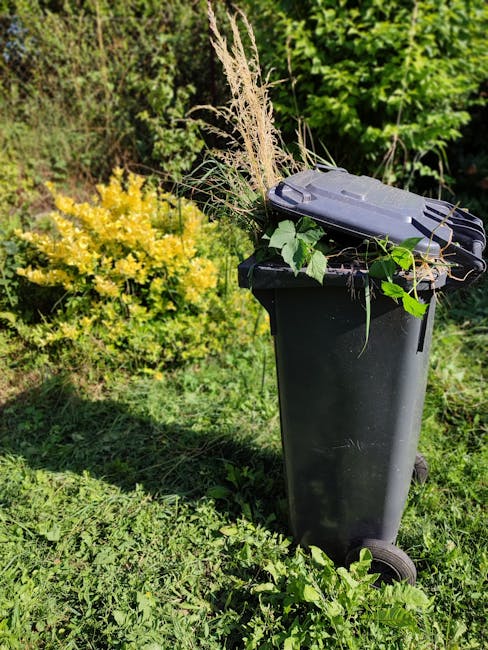
Bulk Garden Waste Clearance for Neasden Back Gardens
If your back garden in Neasden has quietly turned into a pile of branches, hedge cuttings, old planters, and bags of green waste, you are not alone. One weekend of pruning can suddenly become three wheelie bins' worth of awkward, damp, heavy debris. Bulk garden waste clearance for Neasden back gardens is the straightforward way to deal with that build-up without spending your Saturday wrestling with sacks, muddy roots, and a van full of mess.
This guide explains how the process works, what to expect, how to prepare, and how to choose the right approach for your home. Whether you have a small courtyard, a long shared access path, or a classic London back garden with narrow side entry, the practical details matter. And yes, they can make the difference between a quick tidy-up and a frustrating all-day job.
For readers who want to understand the wider company background and service standards before booking, you can also review the about us page, the insurance and safety information, and the recycling and sustainability approach. Those pages help build confidence, especially if you are comparing providers and want a clear sense of how waste is handled.
Let's face it: garden clearance is rarely just "a bit of tidying". It is often a mix of physical work, access problems, disposal decisions, and timing pressure. The good news? With the right plan, bulk garden waste can be cleared efficiently and responsibly, even from a tight Neasden back garden that feels like it was designed by someone who had never heard of a skip.
Table of Contents
- Why Bulk garden waste clearance for Neasden back gardens Matters
- How Bulk garden waste clearance for Neasden back gardens Works
- Key Benefits and Practical Advantages
- Who This Is For and When It Makes Sense
- Step-by-Step Guidance
- Expert Tips for Better Results
- Common Mistakes to Avoid
- Tools, Resources and Recommendations
- Law, Compliance, Standards, or Best Practice
- Options, Methods, or Comparison Table
- Case Study or Real-World Example
- Practical Checklist
- Conclusion
- Frequently Asked Questions
Why Bulk Garden Waste Clearance for Neasden Back Gardens Matters
Garden waste sounds simple until it piles up. A few hedge trimmings here, a dead shrub there, then a pile of branches after a weekend of cutting back ivy, and suddenly you have a substantial load that no ordinary household bin can sensibly handle. In a place like Neasden, where back gardens can be compact, shared, or awkwardly accessed, bulk garden clearance becomes more than a convenience. It becomes the practical answer.
There are a few reasons this matters so much. First, unmanaged green waste quickly becomes untidy and heavy. Wet leaves, soil, and cuttings can smell earthy at first, then a bit sour if they sit around. Second, bulky waste can block paths, create trip hazards, and attract pests or mildew. Third, most homeowners simply do not want to keep dragging bags through the house or down a narrow passage for days on end. Who does?
There is also the local context. Back gardens in London often sit close to neighbours, fences, and side returns. That means clearance needs to be careful, quiet where possible, and respectful of access. A rushed approach can scratch paving, damage planting you meant to keep, or create a messy trail through the house. To be fair, those are exactly the little frustrations that turn a simple clear-out into a headache.
Bulk garden waste clearance is useful whenever you need more than a standard tidy. It is about creating proper space again: for a patio project, a fresh planting scheme, a safer walkway, or just a garden that feels like somewhere you can actually enjoy a cup of tea on a Sunday morning.
How Bulk Garden Waste Clearance for Neasden Back Gardens Works
At a practical level, bulk garden waste clearance is the collection, loading, and responsible disposal or recycling of large volumes of garden debris. That can include branches, hedge trimmings, grass cuttings, soil in limited quantities, leaves, weeds, small logs, old turf, and plant cuttings. It may also include broken garden items if they are accepted as part of the job, although mixed waste is usually assessed separately.
The process is usually straightforward. A provider assesses the amount and type of material, the access route, and any handling challenges. Then the waste is removed in a way that suits the property. For a Neasden back garden, that might mean carrying waste through a side path, using garden sacks or containers, or loading items from the rear if there is enough access. The aim is to keep disruption low and clear the space efficiently.
The best services do not just "take away stuff". They think about the practicalities: what is heavy, what is sharp, what can be recycled, and how to avoid damage to paths, walls, or fencing. They also make sure the garden is left in a reasonable condition. Not freshly landscaped, obviously. Just clean, clear, and ready for whatever comes next.
It helps to separate the waste before collection if you can. Pure green waste is easier to process than a mixed pile with plastic pots, metal stakes, old timber, and compost bags all tangled together. The simpler the pile, the smoother the clearance. That is one of those small things that saves time without anyone making a fuss about it.
For service details that affect scheduling, quotes, and payment expectations, it can be useful to review pricing and quotes alongside the payment and security information. That is especially handy if you are trying to understand what is included before you commit.
Key Benefits and Practical Advantages
The biggest benefit is obvious: you get your space back. But there is a lot more to it than that.
- Faster garden recovery: Once bulky waste is gone, you can actually see the size and shape of the garden again.
- Less physical strain: Carrying damp branches and bagged waste through narrow routes is harder than it looks.
- Cleaner outdoor areas: Removing decaying material reduces mess, smell, and the general "this needs attention" feeling.
- Better safety: Clear paths, fewer hidden roots, and less clutter mean fewer trips and scrapes.
- More usable space: Whether you want a lawn, a veg patch, or just somewhere to sit, clearance creates a proper starting point.
- More responsible disposal: Waste can be sorted, recycled, or processed properly rather than left in a heap or mixed into general rubbish.
There is also a mental benefit people often underestimate. A neglected back garden has a way of making everything feel unfinished. Clear the waste and the whole space feels lighter. You step outside and think, right, now we can do something with this. That shift matters more than people admit.
From a practical property-maintenance point of view, timely clearance can also help prevent waste from becoming harder to handle later. Wet branches are heavier. Rotting leaves become sludge. Nettles become... well, nettles. Best not to wait too long.
Who This Is For and When It Makes Sense
Bulk garden waste clearance for Neasden back gardens makes sense for a wide range of people. It is not just for big landscaping projects. In fact, many jobs start with something ordinary: a hedge trim, a tree branch that came down in wind, or a garden that has simply got away from you after a busy few months.
This service is a good fit if you are:
- remodelling a back garden and need the old growth removed first
- clearing up after a seasonal cutback in spring or late autumn
- dealing with overgrown shrubs, ivy, or tangled brambles
- preparing a home for sale or rent and want the outdoor space to look presentable
- supporting an elderly relative or busy household that cannot manage the lifting
- working around narrow access, shared paths, or a small rear yard
It also makes sense when the waste is simply too bulky for your normal disposal routine. If you find yourself asking, "How on earth am I going to get all this out?" that is usually the point where professional clearance starts to look very sensible.
Some homeowners try to piece the job together over several weekends. That can work, but it often drags on. By the time the first bags are ready, the rest of the garden has already produced another pile. A proper bulk clearance gives you a clean break.
Step-by-Step Guidance
If you want a smooth clearance, a little preparation goes a long way. Here is a simple step-by-step approach that works well for most Neasden back gardens.
- Walk the garden slowly. Look at the full waste pile, access routes, gates, side paths, and any fragile areas such as new paving or planted borders.
- Separate what can be kept. Move tools, pots, ornaments, and anything you do not want accidentally bundled in with the waste.
- Sort the waste by type if practical. Keep green waste together where possible. Separate soil, timber, metal, and plastic items if they are being removed too.
- Check access width and obstacles. A narrow alley, low fence, or locked side gate can change how the clearance is handled.
- Estimate the volume honestly. A pile that looks "not too bad" can fill several sacks once it is cut down. Happens all the time.
- Confirm what is included. Ask whether the clearance covers loading, sweeping, and disposal, and whether mixed waste affects the job.
- Prepare the route. Open gates, move bins, and clear the path so workers are not stepping around obstacles.
- Final sweep. Once the waste is removed, do a quick check for twigs, clippings, nails, or broken pot shards.
One useful habit is to take a photo of the waste pile before the job begins. Not for drama. Just for clarity. It helps everyone stay on the same page about scope, access, and scale. A tiny thing, but it can save a lot of back-and-forth.
A simple planning mindset
Think of the job in three parts: what is going, how it leaves, and what the garden should look like afterwards. That mental frame helps you avoid missing awkward items like half-buried roots or a heap tucked behind the shed. And it keeps expectations realistic, which is always helpful.
Expert Tips for Better Results
Small decisions make a big difference in garden clearance. In our experience, the smoothest jobs are rarely the most dramatic ones. They are the ones with a bit of thought behind them.
1. Cut long waste down before collection, if safe to do so
Long branches and tangled hedge trimmings are awkward to carry. If it is safe and you have the right tools, reduce them into manageable lengths. You will save space and make loading easier. Just do not start hacking at anything thorny or unstable without the right gloves and eye protection. A garden cut is annoying; a hand injury is worse.
2. Keep wet waste separate from everything else
Wet grass, soggy leaves, and muddy roots get heavy quickly. If you can keep them in a separate pile or sack, it helps assess the job more accurately and reduces mess. Timing matters too. A dry morning can make a clearance feel twice as easy compared with a rain-soaked afternoon.
3. Protect access points
If waste has to pass through a narrow side entrance or your kitchen, protect the route with cardboard, sheets, or temporary coverings where appropriate. That is especially useful in terraced homes. The last thing anyone wants is a trail of soil across pale tiles.
4. Be honest about hidden waste
Under the top layer there may be old paving offcuts, broken fencing, or forgotten plant tubs. Tell the team if you suspect mixed material. It changes the handling approach, and that honesty saves time later.
5. Plan the clearance around the next job
If you are replanting, resurfacing, or installing storage, clearance is best timed so you are not paying for waste removal twice. Clear once, then move straight into the next stage. That is usually the neatest route.
If you want to understand how a responsible operator thinks about site safety and working practices, the health and safety policy and insurance and safety information are worth a look. They provide a useful signal that the work is being approached carefully, not casually.
Common Mistakes to Avoid
Garden waste clearance looks simple from the outside. Then you get halfway through and realise the pile includes root balls, broken trellis, old compost sacks, and a suspiciously heavy bag of soil. It happens more than people admit.
- Leaving the sorting until the day of collection: This slows everything down and makes the job messier.
- Underestimating the volume: Garden waste compresses badly, so what seems small can turn out to be a full load.
- Mixing green waste with general rubbish: This can make disposal more complicated and may affect pricing or processing.
- Forgetting access issues: A narrow gate, locked passage, or steep steps can change the logistics completely.
- Not checking for sharp objects: Old canes, wire, broken glass, and rusty fixings can hide in weeds and piles.
- Waiting too long: The longer garden waste sits, the heavier and more unpleasant it gets.
Another common issue is assuming every provider handles the same way. They do not. Some are better with green waste only, some manage mixed loads more efficiently, and some are simply better suited to tight-access homes. Choosing the right fit matters more than chasing the first available slot.
Tools, Resources and Recommendations
You do not need a garage full of specialist kit to prepare for bulk garden waste clearance. A few basic tools and a sensible plan are usually enough.
| Item | Why it helps | Best use |
|---|---|---|
| Heavy-duty garden sacks | Contain loose cuttings and smaller debris | Leaf litter, hedge trimmings, weeds |
| Secateurs or loppers | Reduce long stems and branches | Light pruning before clearance |
| Work gloves | Protect hands from thorns, splinters, and dirt | Sorting and moving waste |
| Tarpaulin or sheet | Keeps waste contained and easier to lift | Gathering piles in one place |
| Rubbish grabber or rake | Helps collect smaller fragments safely | Final sweep after clearance |
For service comparison and budgeting, the most helpful next read is the pricing and quotes page. If you care about what happens to the material after collection, the recycling and sustainability page gives useful reassurance on responsible handling.
When judging a provider, look for signs of practical competence: clear communication, realistic booking windows, a sensible attitude to access, and a willingness to explain what is included. Those details tell you more than any flashy slogan. Truth be told, good waste clearance is mostly about competence and consistency.
Law, Compliance, Standards, or Best Practice
Garden waste clearance should be handled in line with normal UK waste management expectations and good practice. You do not need to become an expert in waste law to make a sensible choice, but it does help to know a few basics.
First, the waste should be collected and transferred responsibly. That means the operator should be able to explain how the material is handled, sorted, and moved onward. Second, the team should work safely on site, especially where there are sharp tools, unstable piles, wet surfaces, or narrow access. Third, the service should be transparent about what it can and cannot take.
For householders, the key best practice is simple: do not put unknown or hazardous items into a garden waste pile. Things like chemicals, paint, gas canisters, electrical items, or contaminated material should be treated separately. If you are unsure about an item, ask before it is mixed in. It sounds obvious, but during a big clear-out, obvious things have a habit of vanishing from your mind.
Reputable providers should also be upfront about terms, payment, and complaints handling. Those are not exciting topics, granted, but they matter. If you want that extra reassurance, the relevant support pages include terms and conditions, complaints procedure, and accessibility statement. They help show that the business is organised and accountable.
It is also wise to check that the work is insured and that safety practices are properly considered. In a back garden, especially one with narrow routes, awkward steps, or shared access, those checks are not box-ticking. They are common sense.
Options, Methods, or Comparison Table
There are several ways to clear a large amount of garden waste, and the right choice depends on volume, access, budget, and how quickly you need the job done. Here is a practical comparison.
| Method | Best for | Pros | Trade-offs |
|---|---|---|---|
| DIY bin-by-bin disposal | Very small amounts | Low cost if you already have time and space | Slow, tiring, and impractical for bulk waste |
| Hiring a skip | Large mixed projects with space for delivery | Useful for ongoing building or landscaping work | Needs clear placement space and can be awkward in tight back-garden access |
| Man-and-van style clearance | Bulk waste in tight-access homes | Flexible, quick, and suited to awkward collections | Needs accurate scope and clear communication on waste type |
| Multiple council-style trips or local drop-off arrangements | Smaller loads over time | Can work for patient, organised households | Time-consuming and not ideal when the garden is overloaded |
For many Neasden back gardens, a direct clearance approach is the easiest fit because access is often tighter than people expect. A skip can be fine on the right property, but if there is no easy frontage or you are dealing with a narrow passage, a clearance team may be far more practical. Sometimes the least glamorous option is the smart one. That's life, really.
Case Study or Real-World Example
Here is a realistic example. A homeowner in Neasden has spent several weekends cutting back a mature hedge, removing a few overgrown shrubs, and digging out a patch of old planting that had turned into a tangle of roots and weeds. At first glance, it looks manageable. There are only a few bags, after all. But once the material is gathered properly, it becomes clear there is more waste than expected: thick hedge branches, damp leaf litter, a root ball, and several bags of mixed green debris.
The back garden has a narrow side path and a gate that only opens part-way because of an old bin store. The smart move is to clear the route first, stack the waste near the access point, and remove the material in a controlled sequence. The biggest branches go out first, then the bags, then the smaller loose cuttings. A final sweep catches twigs and leaf fragments that would otherwise get trodden into the paving.
What changes the result is not force; it is sequencing. The garden is cleared in one visit, the access is kept tidy, and the homeowner can move straight on to laying new beds. The whole space feels more open. You can practically hear the garden breathing again, which sounds daft perhaps, but you know what I mean.
That example is typical of many back-garden jobs in London. The waste is not exotic. It is just bulky, awkward, and more time-consuming than it first appears. The better the preparation, the easier everything becomes.
Practical Checklist
Use this before booking or starting the work. It keeps the job calm and avoids the usual last-minute scramble.
- Identify the main waste types: branches, hedge cuttings, leaves, roots, soil, or mixed material.
- Check all access points, including side gates, alleyways, and rear entrances.
- Remove items you want to keep, such as tools, planters, and decorations.
- Separate green waste from general rubbish where possible.
- Make sure the route is clear of trip hazards and parked items.
- Ask what is included in the service, including loading and sweeping.
- Confirm any unusual items before the clearance day.
- Protect delicate paving or indoor floors if waste needs to pass through the house.
- Take a quick photo of the pile for reference if needed.
- Review pricing, payment, and support details in advance.
Expert summary: The best bulk garden waste clearances are usually the ones that feel uneventful. Clear access, clear waste types, sensible timing, and a provider who understands tight back-garden logistics make the job go smoothly. No drama, no mess left behind, just a garden ready for the next step.
Conclusion
Bulk garden waste clearance for Neasden back gardens is really about restoring order in a space that has become cluttered, heavy, or difficult to manage alone. The job is easier when you plan the route, separate the waste, and choose an approach suited to local access conditions. That is especially true in back gardens where every extra metre, step, or gate latch seems to matter.
Done well, clearance is not just tidying. It is the reset point for everything that comes after: planting, paving, relaxing, or simply enjoying the garden without looking at a pile of dead branches every time you step outside. And honestly, that feeling of seeing a clear, open space again is hard to beat.
If you want the job handled properly, take a moment to review service details, safety, and pricing before you book. It makes the whole process easier, and a little more reassuring too. Get a free quote today and see how much you can save.
Sometimes a garden only needs one good clear-out to feel like yours again.
Frequently Asked Questions
What counts as bulk garden waste clearance?
Bulk garden waste clearance usually means removing a larger-than-normal amount of green waste and related garden debris, such as branches, hedge cuttings, leaves, weeds, and sometimes small root material. It is designed for jobs that are too big for ordinary household bins.
Can you clear waste from a narrow Neasden back garden?
Yes, if the access route is workable. Narrow side returns, shared paths, and small rear entrances are common in London properties, so the key is accurate planning. Clear access and a realistic assessment of the route make a big difference.
Do I need to separate green waste from other items?
It is usually best to separate green waste from mixed rubbish where possible. Green waste is simpler to handle and often easier to process. If you have mixed items like plastic pots, timber, or metal stakes, mention them before collection.
How should I prepare the garden before clearance?
Move any items you want to keep, open access gates, clear paths, and gather the waste into manageable piles if you can do so safely. A little prep saves time and reduces the chance of damage or confusion on the day.
What garden waste is usually accepted?
Commonly accepted items include hedge trimmings, branches, grass cuttings, weeds, leaves, plants, and sometimes small amounts of soil or turf. Exact acceptance can vary, so it is always worth checking the scope before booking.
Can old pots, broken tools, or fencing be taken too?
Sometimes, yes, but those items are usually treated as mixed garden waste rather than pure green waste. It depends on the provider and the type of material. The more clearly you describe the pile, the better the quote and the smoother the job.
Is bulk garden clearance suitable after landscaping work?
Absolutely. It is often used after pruning, reshaping borders, removing overgrowth, or starting a garden redesign. It helps clear the old material so you can move on to the next phase without delay.
How long does a clearance usually take?
That depends on the amount of waste, the access route, and how mixed the material is. A small but bulky pile can take less time than a deceptively messy one. If access is straightforward, the job is usually much quicker.
What if I am not sure how much waste there is?
If in doubt, describe the pile as accurately as you can and mention any hidden material under the top layer. Photos are helpful too. Estimating garden waste by eye is tricky, and most people undercount the first time.
Is this better than hiring a skip?
For many back gardens, yes. A clearance service can be more practical where access is tight or where you want a quicker, more hands-off solution. A skip can work well in the right setting, but it is not always the easiest option for a rear garden.
What should I look for in a reliable provider?
Look for clear communication, sensible handling of access issues, transparent pricing, proper safety awareness, and a responsible approach to disposal. Trust is built in the small things, not the loud ones.
What happens to the garden waste after collection?
Responsible providers aim to sort and process waste appropriately, with recyclable green material handled separately where possible. If that matters to you, review the provider's sustainability information before you book.