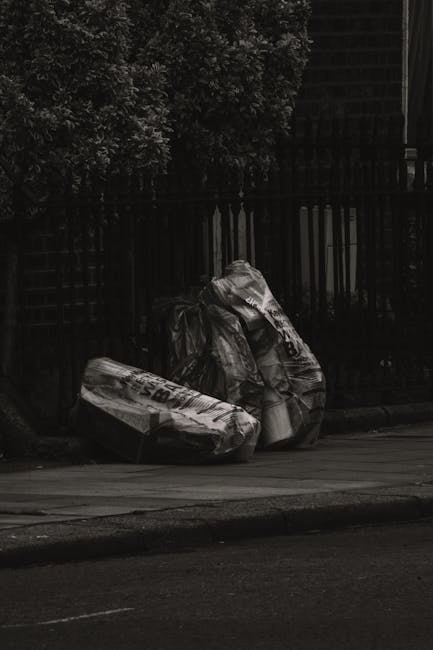
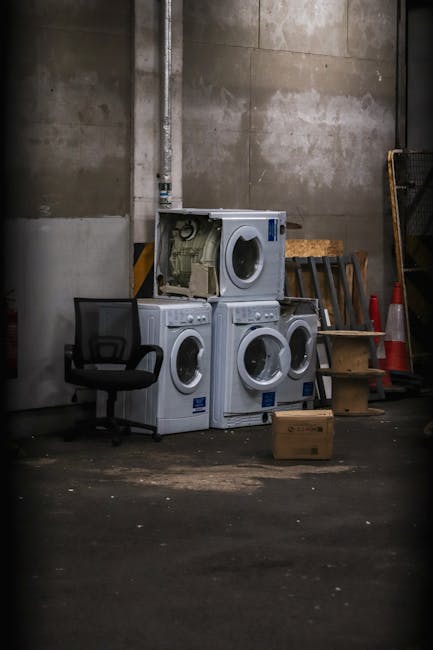
Brent Council bulky waste rules: Neasden resident guide
If you live in Neasden and you are staring at an old sofa, a broken wardrobe, or a pile of household bits that simply will not fit in the bin, the rules around bulky waste can feel oddly confusing. Brent Council bulky waste rules: Neasden resident guide is here to make that easier. In plain English, this guide explains what bulky waste usually means, how council collections tend to work, what can trip people up, and when a private clearance option may be the calmer, quicker choice. No fluff. Just useful guidance you can actually use on a busy week.
There is a lot of small-print behaviour around bulky items: what counts, how many items you can present, where to leave them, and what happens if the load includes something the council will not take. If you get it wrong, you can end up with missed collections, delays, or unnecessary stress. And let's face it, nobody wants a dismantled bed frame sitting outside for another week.
Table of Contents
- Why Brent Council bulky waste rules matter
- How the bulky waste process works
- Key benefits and practical advantages
- Who this is for and when it makes sense
- Step-by-step guidance
- Expert tips for better results
- Common mistakes to avoid
- Tools, resources and recommendations
- Law, compliance, standards and best practice
- Options, methods and comparison table
- Case study or real-world example
- Practical checklist
- Conclusion
- Frequently asked questions
Why Brent Council bulky waste rules: Neasden resident guide Matters
Bulky waste is one of those household tasks that sounds simple until you actually start moving the item. A mattress, a two-door wardrobe, a cracked chest of drawers, or an old fridge can quickly turn into a planning job rather than a quick bin run. For Neasden residents, understanding the local bulky waste rules matters because it helps you avoid the classic mistakes: booking the wrong service, putting items out at the wrong time, or assuming everything can be collected together.
There is also a practical side to this. In shared streets, flats, and estates, leaving bulky waste out for too long can create obstruction, complaints, and the kind of awkwardness nobody wants with neighbours. If you are in a flat or converted property, the access issue matters even more. Narrow hallways, shared stairwells, and parking restrictions can turn a straightforward job into something that needs a bit of thought. Not dramatic. Just real life in London.
Understanding the rules also helps with budgeting. Some items may be suitable for council collection, while others may be better handled through a professional waste removal service or a dedicated clearance job. That distinction matters if you want the work done in one go, especially when the clock is ticking and the item is taking over the hallway.
Expert summary: the best bulky waste plan is rarely the first idea that pops into your head. It is the one that fits the item, the building, the access, the timing, and your patience level.
How Brent Council bulky waste rules: Neasden resident guide Works
In broad terms, council bulky waste collections are designed for large household items that are difficult to carry to a standard bin or recycling point. Think furniture, mattresses, and similar domestic items. The exact arrangements can vary, so it is always sensible to check the current local collection process before you book or place anything outside. That cautious approach may sound boring, but it saves hassle.
The usual process works like this:
- You identify the items you want removed and separate bulky waste from general rubbish.
- You check whether the items are accepted as part of a bulky collection.
- You book the collection in the required way and follow any payment or scheduling steps.
- You place the items exactly as instructed, usually in an accessible spot.
- The collection crew removes only the eligible items.
A common issue is mixing accepted and non-accepted waste. For example, a wardrobe might be fine, but a load of mixed builders' debris tucked inside it usually is not. Another issue is access. If crews cannot safely reach the item, or if it has been blocked by parked cars, gates, or garden clutter, the collection may not go smoothly. To be fair, it only takes one car parked awkwardly to make the whole thing awkward.
If you need broader clearance beyond one or two bulky items, you may find it more practical to look at house clearance or home clearance instead. Those services are often more suitable when the job involves several rooms, mixed items, or a property that needs to be cleared in a single visit.
Key Benefits and Practical Advantages
The biggest benefit of understanding bulky waste rules is simple: you save time. But there are a few more practical wins too.
- Less risk of missed collections. If you know the requirements, your items are more likely to be taken first time.
- Cleaner access and safer handling. Bulky waste is heavy, awkward, and sometimes sharp at the edges. Good planning reduces lifting risks.
- Less neighbour friction. Items left outside for too long can be unsightly and become a nuisance.
- Better cost control. You can compare council collection with private clearance and choose the better fit.
- More recycling opportunity. Sorting items properly can improve the chance that reusable or recyclable materials are handled sensibly.
There is also a mental benefit, which people underestimate. Once the bulky item is gone, the room feels different. A bedroom with the old bed frame removed suddenly has breathing space. A garage stops feeling like a storage trap. It sounds small, but you notice it.
For furniture-heavy jobs, it may be worth reviewing furniture disposal and furniture clearance options alongside the council route. Sometimes one item is a council job; sometimes three or four pieces make a dedicated clearance more sensible.
Who This Is For and When It Makes Sense
This guide is useful for a wide range of Neasden residents, not just people with a single old sofa. In our experience, bulky waste questions often come from very ordinary situations.
- Tenants moving out of a flat and needing a quick clear-out
- Homeowners replacing old furniture
- Families dealing with an inherited property that has accumulated clutter
- Landlords preparing a rental for new occupants
- People clearing a garage, loft, or spare room after years of "I'll sort that later"
It makes sense to use the council route when you have a small number of accepted bulky items and you are happy to follow the booking process and timing rules. It makes more sense to use a professional service when the items are numerous, the access is difficult, or the mix includes items that council collections may not accept. A flat on an upper floor with no lift? That changes the equation quickly.
If you are dealing with a larger life event, such as a bereavement, a move, or a full property reset, a more complete clearance solution may feel less stressful. That can include flat clearance, loft clearance, or garage clearance, depending on where the clutter has quietly accumulated.
Step-by-Step Guidance
Here is a straightforward way to handle bulky waste without overthinking it.
- List the items. Write down exactly what needs removing. Be specific. "Old stuff" is not a helpful category.
- Check the condition. Decide whether the item is reusable, recyclable, or purely waste. A service may handle these differently.
- Separate the load. Remove small loose rubbish, personal items, batteries, liquids, and anything sharp or hazardous if it should not be mixed in.
- Measure access. Check stairs, door widths, lift access, parking restrictions, and where the item can be left for collection.
- Choose your route. Council bulky collection for simple jobs; private clearance for complex or time-sensitive jobs.
- Prepare the item. Dismantle what you can safely dismantle, and make sure the item is safe to move.
- Set the collection point. Follow the collection instructions carefully. This is the part people often rush. Don't.
- Confirm what happens next. Make sure you know whether the crew takes everything or only specific items.
A tiny practical example: if you are clearing a wardrobe from a first-floor flat in Neasden, it may be better to remove the doors and shelves before booking. That one job can reduce the weight, make the item safer to carry, and stop your hallway from becoming a makeshift workshop. Bit of screwdriver work now, less swearing later.
Expert Tips for Better Results
The difference between a smooth bulky waste collection and a frustrating one is usually in the prep. A few small choices can save a lot of trouble.
- Bundle similar items together. Keep furniture with furniture, and do not hide general rubbish among it.
- Photograph the items before booking. This helps you stay organised and avoids misunderstandings about size or type.
- Plan for weather. Wet weather can make cardboard-heavy loads messy and awkward, especially in the morning.
- Clear a path first. Sounds obvious, but there is always one chair in the way.
- Think about reuse. If an item is still usable, donation or resale may be more sensible than disposal.
Another tip: if you have multiple waste types, do not assume one collection method will cover everything. A mixed load that includes furniture, garden waste, and builders' debris may need a more tailored solution. For example, garden clearance or builders waste clearance may be a better fit for some of those items than a standard bulky collection.
One more thing. If the item is heavy, awkward, or awkwardly heavy - yes, that is a real category in practice - do not try to shift it without help. Safety beats stubbornness every time.
Common Mistakes to Avoid
People usually do not get bulky waste wrong because they are careless. They get it wrong because the job looks easy at a glance. That is fair enough, but it still causes problems.
- Leaving it to the last minute. Booking too late often means living with the clutter longer than necessary.
- Mixing prohibited items with accepted ones. This can lead to the entire collection being refused.
- Blocking access. Even a neatly parked car can stop a collection crew reaching the item safely.
- Assuming everything is free. Some collections involve fees or separate charges, depending on the service route.
- Not checking what counts as bulky waste. Mattresses and wardrobes are obvious. Mixed rubbish bags are not bulky waste.
- Forgetting about disposal duties in rented homes. Tenants and landlords sometimes assume the other party is handling it. That assumption causes needless arguments.
There is also a softer mistake: underestimating the size of the job. A single item can become three if it needs dismantling, carrying downstairs, and a vehicle space you thought would be easy to find. London has a way of humbling people like that.
Tools, Resources and Recommendations
You do not need fancy equipment for most bulky waste jobs, but a few basic tools help enormously.
- Measuring tape for doorways, hallways, stair turns, and lift access
- Screwdriver or hex key set for dismantling furniture safely
- Work gloves to protect your hands from splinters and sharp edges
- Strong bags or boxes for loose screws, fittings, or small parts
- Phone camera for recording item condition and access points
- Bubble wrap or blankets if you are moving items through tight spaces
From a service-planning point of view, it can help to compare the scope of the work with dedicated clearance services. For example, a room full of mixed furniture may lean toward furniture clearance, while a home-wide tidy-up may sit better under home clearance or house clearance.
If you are comparing providers, the useful questions are usually not glamorous ones. Ask how they handle access, what happens to reusable items, whether they are set up for recycling, and how they manage safety on site. The boring questions are the important ones, annoyingly enough.
Law, Compliance, Standards, or Best Practice
For bulky waste, the key point is simple: waste must be handled responsibly and safely. In the UK, households and waste carriers are expected to avoid fly-tipping, prevent unsafe storage, and make sure waste goes to legitimate disposal or recovery routes. You do not need to be a compliance expert to follow that principle, but it is worth keeping in mind.
For residents, best practice usually means:
- Only presenting items that are allowed for the chosen collection route
- Keeping waste separated where necessary
- Not leaving items in communal spaces longer than instructed
- Using approved and traceable clearance services where appropriate
- Making sure sharp, heavy, or hazardous pieces are managed safely
If you are hiring someone to remove waste from your property, it is sensible to choose a provider that takes safety and responsible disposal seriously. You can review company policies such as health and safety policy, insurance and safety, and recycling and sustainability to understand how they approach the job. That is not just paperwork. It tells you a lot about how carefully they work.
Where privacy or payment details are involved, it is also reasonable to check the provider's payment and security information and general terms and conditions. Simple, practical due diligence. Nothing fancy.
Options, Methods, or Comparison Table
Here is a practical comparison of the most common routes Neasden residents consider for bulky waste.
| Option | Best for | Strengths | Limitations |
|---|---|---|---|
| Council bulky waste collection | One-off domestic items | Suitable for simple, planned collections | May have limits on item type, timing, and access |
| Private waste removal | Faster or more complex jobs | Flexible, convenient, often better for mixed loads | Cost varies and needs proper vetting |
| Furniture disposal | Old sofas, wardrobes, tables, and beds | Useful for single-category loads | Not ideal if the job includes many other waste types |
| Full clearance service | Flats, houses, garages, lofts, offices | Efficient for larger clear-outs and multi-item jobs | May be more than you need for one item |
If your load includes office items, business stock, or equipment from a workspace, a dedicated office clearance or business waste removal route may make more sense than a domestic bulky collection. The same logic applies to renovation debris, where builders waste clearance is usually the cleaner fit.
Case Study or Real-World Example
A typical Neasden scenario goes something like this. A couple is moving out of a two-bed flat near the station. They have an old mattress, a broken desk, a heavy bookcase, and a few loose items in a cupboard. At first, they think it will all be fine as a quick council bulky collection. Then they notice the bookcase will not fit down the narrow stairwell in one piece, the mattress needs to be wrapped or handled carefully, and the desk has metal fixings that need removing first.
They pause, measure the hallway, and realise this is no longer a five-minute job. Instead of guessing, they separate the items, dismantle the desk, and choose a clearance option that can take the whole load in one visit. The result? Less stress, fewer trips up and down stairs, and no awkward pile sitting by the front door overnight.
That is the real lesson. Not every bulky waste job is about volume. Sometimes it is about access, timing, and how much disruption you can tolerate in your day. A good plan is often the quiet, boring one that just works.
Practical Checklist
Use this checklist before you arrange bulky waste collection or clearance in Neasden.
- List every item that needs removing
- Check whether it is accepted by the chosen collection route
- Separate bulky items from general rubbish
- Remove loose personal items, batteries, and sharp fragments
- Measure doors, stairs, and lift access if relevant
- Check parking or collection access near your property
- Dismantle items safely where possible
- Confirm the collection time and place
- Review whether you need a specialist service instead
- Keep a note of any condition or safety concerns
If your job is bigger than expected, pause and reassess. That is often the moment when a garage clearance, loft clearance, or even a full house clearance becomes the smarter route. No shame in that at all.
Conclusion
Brent Council bulky waste rules: Neasden resident guide is really about making a simple thing stay simple. If you know what counts as bulky waste, how the collection process usually works, and when a private clearance is the better fit, you can save yourself time, avoid missed collections, and keep your home or flat feeling manageable.
The best outcome is not just getting rid of the item. It is getting rid of it cleanly, safely, and without a pile of hassle attached. Whether you are clearing one sofa or tackling a full room, a little planning goes a long way. And once the space is clear, you will notice it straight away.
Get a free quote today and see how much you can save.
Sometimes the most satisfying part is simply walking back into the room and seeing the floor again. That quiet little moment, honestly, is worth a lot.
Frequently Asked Questions
What counts as bulky waste for Neasden residents?
Bulky waste usually means large household items that do not fit in a standard bin, such as sofas, wardrobes, mattresses, tables, and similar furniture. The exact acceptance rules depend on the collection route, so it is wise to check before booking.
Can I put bulky items outside the night before collection?
Only if the collection instructions say you can. In many cases, items should be presented at a specific time and in a specific place. Leaving them out too early can create problems with neighbours, access, or missed collection.
Does the council take everything in one visit?
Not always. Some collections have restrictions on the number, size, or type of items. Mixed loads, awkward access, or non-accepted materials may need a different approach.
What should I do if my item is too heavy to move safely?
Do not force it. If an item is heavy, awkward, or likely to cause injury, use help and consider a professional clearance service. Safety first, always.
Are mattresses treated differently from other furniture?
They often are. Mattresses can be accepted in bulky collections, but handling and presentation rules may differ. If the mattress is heavily damaged or part of a larger clear-out, check the best route for the whole job.
Is private waste removal better than council bulky collection?
It depends on the job. Council collection can be fine for a small number of accepted items. Private waste removal is often better when the load is mixed, time-sensitive, or difficult to access.
What if I have furniture plus general rubbish?
That is where people get caught out. Furniture may fall under a bulky collection, but general rubbish often does not. It is usually better to separate the items so you can choose the right disposal method for each.
Can I use bulky waste collection for a garage or loft clear-out?
Sometimes, but larger clear-outs often need more than a standard bulky item service. If you are dealing with a whole space full of mixed items, a garage clearance or loft clearance may be more efficient.
How do I avoid problems with access on collection day?
Measure the route first. Check door widths, stairs, parking spaces, and whether any gates or obstacles may block access. A few minutes of checking can prevent a very long morning.
What happens if my items are not accepted?
If an item is not accepted, it may be refused or left in place depending on the service. To avoid that, sort items in advance and confirm the accepted categories before the collection date.
Do I need to dismantle furniture before disposal?
Not always, but it often helps. Dismantling can make items easier and safer to move, especially in flats or tight hallways. Just make sure you keep all fixings together if the item is being moved whole.
Where can I learn more about safe, responsible disposal?
It helps to review provider information on safety, insurance, recycling, and terms before booking. Those pages give a better sense of how a company handles the job and what standards it follows.