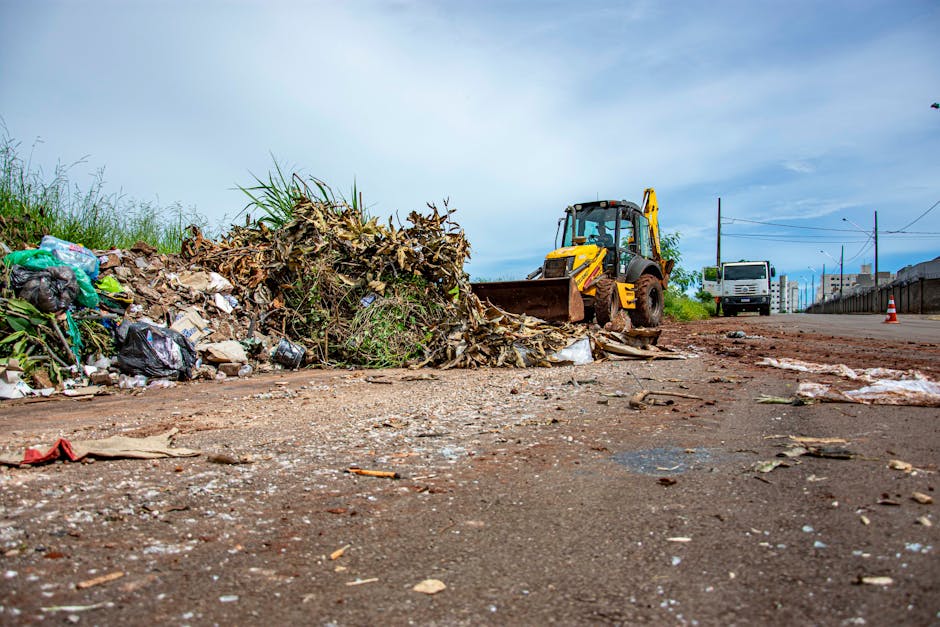
Avoid illegal disposal when clearing builder's rubble in Neasden
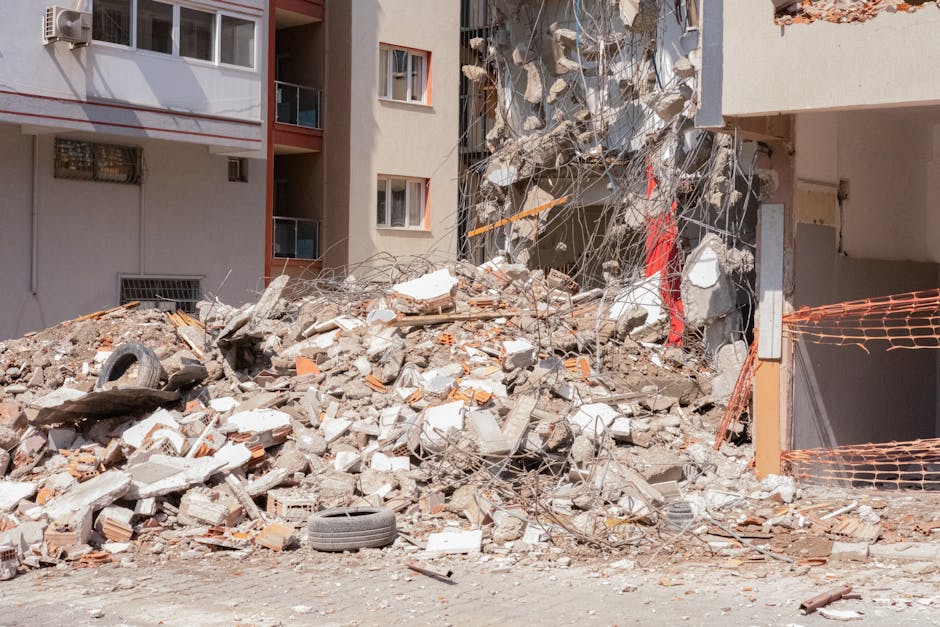
Builder's rubble looks harmless when it is piled in a driveway, a skip, or the back of a van. Then reality kicks in: broken blocks, plasterboard, old tiles, dust, timber offcuts, and bits of brick all need to go somewhere lawful. If you are trying to avoid illegal disposal when clearing builder's rubble in Neasden, the good news is that it is straightforward once you know the right process. The tricky part is not the rubble itself. It is the small decisions around collection, sorting, transport, receipts, and choosing a proper disposal route.
This guide walks you through the practical side of doing it properly in Neasden. You will learn what counts as builder's rubble, why illegal dumping creates bigger problems than people expect, how compliant clearance usually works, and what to ask before you hand over a load. There is also a checklist, comparison table, and a realistic example so you can make a calm, sensible decision rather than a rushed one. Let's face it, no one wants a cheap shortcut that turns into a fly-tipping headache later.
Key takeaway: The safest way to clear builder's rubble is to use a documented, traceable disposal route, keep materials sorted where possible, and work with a provider that can explain exactly how the waste will be handled.
Why Avoiding illegal disposal when clearing builder's rubble in Neasden Matters
Builder's rubble is not just "general rubbish". It often includes inert materials such as brick, concrete, mortar, stone, ceramics, and mixed construction debris. In a renovation job, you might also have plasterboard, metal fixings, wood, packaging, and sometimes insulation or old fixtures. That mix matters because different materials can require different handling. When rubble is dumped in the wrong place or passed to the wrong operator, the risk is not only environmental harm. It can also create legal, financial, and reputational problems for the property owner, contractor, or landlord.
In Neasden, where building work, refurbishments, and small trade jobs happen alongside busy residential streets and commercial premises, it can be tempting to think, "It is only one load." But one bad disposal decision can lead to a lot of noise later. Reports, investigations, cleanup notices, and unhappy neighbours tend to arrive faster than people expect. To be fair, most problems start with a rushed handover: someone wants the site clear by Friday afternoon, the van is full, and nobody asks enough questions.
Illegal disposal also undercuts good contractors. If you manage waste properly, you protect your project timeline, keep your site tidier, and show that you take safety seriously. That matters whether you are clearing a kitchen extension, a loft conversion, a shop refit, or a mixed domestic job. For larger mixed-clearance jobs, it can help to look at a broader builders waste clearance service as part of the plan rather than treating rubble as an afterthought.
How Avoiding illegal disposal when clearing builder's rubble in Neasden Works
The compliant route is usually simple in principle. The waste is identified, sorted where practical, collected by a suitable operator, transported safely, and taken to an authorised facility or recycling outlet. The important bit is traceability. You should be able to understand who took the waste, what was taken, and where it was meant to go.
In day-to-day terms, a proper rubble clearance process usually follows a sequence like this:
- Assess the load and separate rubble from reusable or recyclable materials.
- Check whether any items are contaminated or need special handling.
- Choose the right size of collection based on access, volume, and timing.
- Use a provider that can give a clear description of what happens next.
- Keep the paperwork or confirmation for your records.
That last point is often ignored. Yet documentation is one of the easiest ways to protect yourself. If a load ever turns out to have been handled badly by a third party, you want evidence that you acted in good faith. A short email trail, a receipt, or a written confirmation can make a world of difference.
It is also worth separating rubble from other waste streams before collection. Mixed loads are not always a problem, but they can be more expensive to process and harder to recycle. Clean rubble is easier to deal with than rubble mixed with paint tins, food waste, or loose household clutter. That is one reason many people pair rubble removal with a more general waste removal option when a project has become a bit chaotic.
Key Benefits and Practical Advantages
Doing this properly pays off in practical ways. The benefits are not abstract. You feel them on site and, frankly, after the job is done.
- Lower legal risk: you reduce the chance of being linked to fly-tipping or improper handling.
- Better site safety: tidy rubble piles mean fewer slips, cuts, and blocked access routes.
- Cleaner recycling outcomes: sorted inert material is often easier to recover and reuse.
- Less stress: everyone knows where the waste is going, which calms down the whole project.
- Improved neighbour relations: fewer delays, less mess spilling into shared spaces, less frustration.
- Stronger contractor reputation: compliance is quietly powerful. People notice it.
There is also a business case. A proper clearance plan can prevent rework, avoid last-minute scrambling, and reduce the risk of having to pay for a second removal because the first one was handled badly. You know the kind of thing: the skip has been filled with the wrong material, the driver refuses the load, and the site manager is suddenly doing a very tired walk round with a clipboard.
Who This Is For and When It Makes Sense
This guide is for anyone in Neasden who needs builder's rubble removed without crossing into dodgy territory. That includes homeowners doing small renovations, landlords clearing after repairs, builders handling trade waste, flat owners with awkward access, and businesses refurbishing internal spaces.
It makes particular sense if you are dealing with any of the following:
- brick, concrete, or mortar from demolition or structural work
- tiles, bathroom debris, or kitchen rip-out waste
- plasterboard mixed with other construction materials
- job sites with tight access, no skip permit, or limited parking
- clearances that need to happen quickly and quietly
- projects where you want one provider to take away the mess responsibly
For some jobs, a simple rubble-only pickup is enough. For others, it is better to combine construction waste with broader property clearance. If you are clearing a property after renovation or end-of-tenancy work, there may be overlap with house clearance or home clearance needs, especially where old fixtures, furniture, and broken materials are mixed together.
Step-by-Step Guidance
If you want the practical version, here it is. No drama, no fluff.
1. Identify the waste properly
Start by checking what is actually in the pile. Pure rubble is much easier to manage than a mixed load. Brick, stone, concrete, and ceramic are usually straightforward. Once you add paint, solvents, asbestos suspicion, or random household clutter, the picture changes. If you are unsure, stop and sort first.
2. Separate recyclable and non-recyclable items
Separate clean rubble from wood, plastics, metals, and plasterboard where possible. It does not need to be perfect, but better sorting usually leads to better handling. A couple of extra minutes now can save a lot of friction later.
3. Check access and loading conditions
Think about the practical side: is there parking nearby, a narrow entrance, stairs, or shared access? In a terraced street or a block with tight bays, these details matter. Good access planning helps avoid rushed loading and accidental spillages. It also reduces the chance of somebody deciding to dump a bag in the wrong place because moving it "properly" felt too difficult. That never ends well.
4. Choose the right clearance method
Not every job needs the same approach. Some are best handled with manual loading. Others suit a vehicle-based collection. If you already know the load is likely to be bulky or mixed, it may be better to plan for a more complete builders waste clearance approach rather than piecing it together in stages.
5. Confirm how the waste will be handled
Ask for plain-English answers. Where will it go? Will any of it be recycled? How will it be loaded and transported? A reliable provider should be able to explain the process without turning it into mystery theatre.
6. Keep records
Keep a note of the date, the company name, and any paperwork or confirmation provided. If you are a landlord, contractor, or business owner, treat this like part of the job file. It is not glamorous. It is just sensible.
Expert Tips for Better Results
After many clearances, a few habits stand out as consistently useful.
- Keep rubble dry where possible. Wet material is heavier and messier, and it can complicate loading.
- Do not hide mixed waste under rubble. It saves time now and causes trouble later.
- Use containers or sacks for smaller fragments. Loose debris spreads fast across patios and floors.
- Plan the route before lifting. Short carries and clear paths reduce breakages and dust.
- Take photos before collection. This can help if you need to confirm what was removed.
- Ask about recycling and sustainability. It is worth knowing how reusable material is separated. The recycling and sustainability approach matters more than many people realise.
A small, very human tip: put a dust sheet down before you start shifting broken plaster or old mortar. It sounds basic, and it is. But on a cold Neasden morning, with dust in the air and tiny grey chips underfoot, basic is exactly what you want.
Also, if you are comparing providers, do not focus only on the headline cost. A low price that does not include proper handling is not really cheap. It is just deferred pain with a nice sticker on it.
Common Mistakes to Avoid
The same mistakes come up again and again. Most are avoidable.
- Assuming all rubble is harmless: some loads contain contaminated materials or items that need extra care.
- Mixing everything together: this reduces recycling potential and can increase disposal complexity.
- Using an unverified collector: if something goes wrong, you may be left carrying the risk.
- Leaving waste in a public or shared area: even temporarily, that can create complaints or enforcement issues.
- Forgetting paperwork: no record means less protection if questions come up later.
- Choosing convenience over traceability: that is where illegal disposal usually starts.
One more to add, because it matters: do not assume a mate with a van is enough. Sometimes it is, of course. But sometimes it is not. The difference is whether they know where the waste is going and can prove it if asked.
Tools, Resources and Recommendations
You do not need a full warehouse of kit to manage builder's rubble properly. A few simple tools make the job safer and cleaner.
- heavy-duty rubble sacks
- shovels, dustpan and brush, and a sturdy broom
- gloves and protective footwear
- dust sheets or tarpaulins
- containers for sorting sharp or loose fragments
- lighting if the clearance area is dim or underground
If the job is part of a bigger property clean-up, it can help to compare related services too. For example, a renovation may trigger storage-room or upper-floor clearouts, so a loft clearance can be useful when rubble is only one part of the problem. Likewise, some projects spill into old furniture, broken shelving, or offcuts that need a separate disposal route, where furniture disposal may come into play.
For businesses, it is often smart to align the rubble removal with other site-clearance needs rather than booking several disjointed collections. If the job is commercial, explore business waste removal so the whole process stays tidy and auditable.
Law, Compliance, Standards and Best Practice
You do not need to become a lawyer to do this properly, but you do need to respect the rules that apply to waste handling in the UK. The basic principle is simple: waste should be managed responsibly, transferred only to suitable parties, and kept traceable. If you produce or arrange waste, you should satisfy yourself that the person taking it is legitimate and that the material is going to an authorised destination.
Best practice usually includes:
- making sure the collector can describe their process clearly
- avoiding anyone who offers suspiciously vague "cheap dump runs"
- keeping documentation for your own records
- sorting materials where possible to support recycling
- being cautious with hazardous or contaminated items
For construction-related debris, the usual expectation is that inert material is separated as much as practicable from mixed waste. That helps with safe transport and recovery. If you have plasterboard, insulation, or anything that might be contaminated, pause and check the handling method before loading it with ordinary rubble.
Health and safety should also be part of the picture. Sharp edges, dust, unstable piles, and heavy lifting all create avoidable risks. A reputable provider should have a clear approach to site safety, insured work practices, and responsible transport. If you want to understand those standards in more detail, the company's health and safety policy and insurance and safety information are sensible places to review.
Options, Methods, or Comparison Table
Different projects call for different disposal methods. The best one depends on volume, access, budget, and how mixed the load is.
| Method | Best for | Pros | Watch out for |
|---|---|---|---|
| Manual loading service | Small to medium rubble piles with awkward access | Flexible, good for tight spaces, often quicker than self-loading | May need careful sorting and clear access on the day |
| Skip hire | Longer projects with steady waste output | Handy if waste will keep arriving over several days | Space, permits, and misuse of the skip can become issues |
| Van-based clearance | One-off rubble removal or mixed loads | Often convenient and fast for ad hoc jobs | Needs proper documentation and legal disposal routes |
| Mixed property clearance | Renovations with rubble plus furniture, fixtures, or clutter | Reduces multiple bookings and keeps the site moving | Can be more complex if materials are not separated in advance |
If your job involves a clean sweep of a room or property after building work, consider whether a broader flat clearance or house clearance is more efficient than handling rubble alone. Sometimes the simplest route is the one that removes everything in one controlled visit.
Case Study or Real-World Example
A typical Neasden scenario goes like this. A homeowner is partway through a kitchen refurbishment. The old tiles are off, a bit of wall plaster has come away, and there is a growing mound of broken brick, plasterboard, packaging, and timber. The temptation is to leave it in the side passage for "later". Then later becomes the weekend, the weekend becomes another week, and the pile starts to smell damp after a rainy spell. Not ideal.
Instead, the homeowner sorts the load into rubble, wood, and mixed debris. The access path is cleared, fragile items are moved out of the way, and the collection is arranged with enough detail for the provider to understand what is there. The rubble is taken away in one visit, the site is swept, and the remaining refurb work can continue without the eyesore.
What changed? Not magic. Just a proper process. There was no dodgy offloading into a back alley, no scrambling for a last-minute solution, and no confusion about who was responsible. The job felt calmer because the waste side was handled responsibly. That calm matters more than people admit.
Practical Checklist
Use this checklist before any rubble is removed.
- Have I identified exactly what is in the load?
- Have I separated rubble from wood, metal, plastic, or other materials where possible?
- Is any item potentially hazardous or contaminated?
- Is access clear for the collection team?
- Do I know where the waste will be taken?
- Have I asked for documentation or confirmation?
- Have I considered whether the job also involves other clearance needs?
- Have I reviewed safety issues such as dust, lifting, and sharp edges?
- Do I understand the plan if the load turns out to be mixed?
- Have I kept a record for my files?
If you can tick those off, you are already ahead of many people. Seriously, that small bit of preparation saves a lot of faff.
Conclusion
To avoid illegal disposal when clearing builder's rubble in Neasden, keep the process simple: identify the material, sort it properly, choose a traceable collection method, and keep records. That approach protects you from unnecessary risk while making the whole clearance cleaner, safer, and easier to manage. It also shows respect for the local area, which matters more than people sometimes think.
If your project has turned into a bigger clearance than expected, or if rubble is mixed with furniture, fixtures, and general clutter, it can help to bring in a provider that handles the job in a joined-up way. You will save time, reduce stress, and keep the site moving without cutting corners.
Get a free quote today and see how much you can save.
And if you are still weighing up the next step, take a breath, check the load properly, and choose the route that leaves no doubt. That is usually the right call.
Frequently Asked Questions
What counts as builder's rubble?
Builder's rubble usually means broken brick, concrete, mortar, stone, tiles, and similar construction debris. It can also include mixed materials from renovations, so it is worth checking the exact contents before collection.
Why is illegal dumping such a serious issue?
Illegal dumping can lead to environmental damage, complaints from neighbours, enforcement action, and extra costs if the waste has to be cleared later. It also creates a trail of risk for the person who produced or arranged the waste.
How do I know if a waste collector is legitimate?
Ask how they handle the waste, where it goes, and whether they can provide confirmation of collection. Clear answers matter. If someone is vague or avoids simple questions, that is usually a red flag.
Can I mix rubble with other renovation waste?
You can sometimes do that, but mixed loads are harder to process and may cost more. Wherever possible, separate clean rubble from wood, metal, plasterboard, and general rubbish.
Do I need paperwork for builder's rubble removal?
It is wise to keep records, even for smaller jobs. A receipt, confirmation message, or job note can help show that you arranged proper disposal if any questions come up later.
Is skip hire better than a clearance service?
It depends on the project. Skip hire works well when waste will build up over time and you have room for the skip. A clearance service can be better when access is tight, the load is ready now, or you want quick removal without managing the loading yourself.
What should I do with plasterboard?
Plasterboard often needs careful handling and should not just be tossed in with everything else. If it is clean and separate, that helps. If it is mixed or contaminated, ask for guidance before disposal.
Can builder's rubble be recycled?
Some of it often can be, especially clean inert material like brick and concrete. Recycling depends on how well the waste is sorted and what condition it is in.
How can I reduce the risk of fly-tipping on my project?
Use a traceable collection route, avoid informal dump runs, keep records, and make sure the waste is handed to a proper operator. A little caution goes a long way here.
What if my rubble load is bigger than I expected?
That happens all the time. Measure the pile as best you can, describe it honestly, and choose a method that suits the real volume rather than the hoped-for one. Underestimating waste is a classic project trap.
Is there a best time to arrange collection in Neasden?
Usually, the best time is when the waste is ready and access is clear. If you leave it too long, it can become a safety issue or interfere with the rest of the work. Early planning usually saves the day.
Where can I learn more about responsible disposal and site safety?
It helps to review the company information on recycling and sustainability, health and safety, and terms and conditions before booking. That gives you a clearer picture of how the work is handled and what to expect.